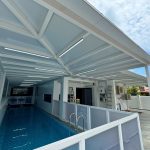


A retractable roof lets an outdoor area change between covered and more open conditions. The benefit depends on how the specific system moves, where the covering sits when withdrawn and how much of the opening remains clear. Those details deserve attention before choosing finishes.
Whether the roof is planned above a patio, a courtyard or another outdoor area, examine it in every operating position. A closed-roof photograph cannot explain the whole experience or reveal all the space needed for movement and maintenance.
Define what an open retractable roof means to you
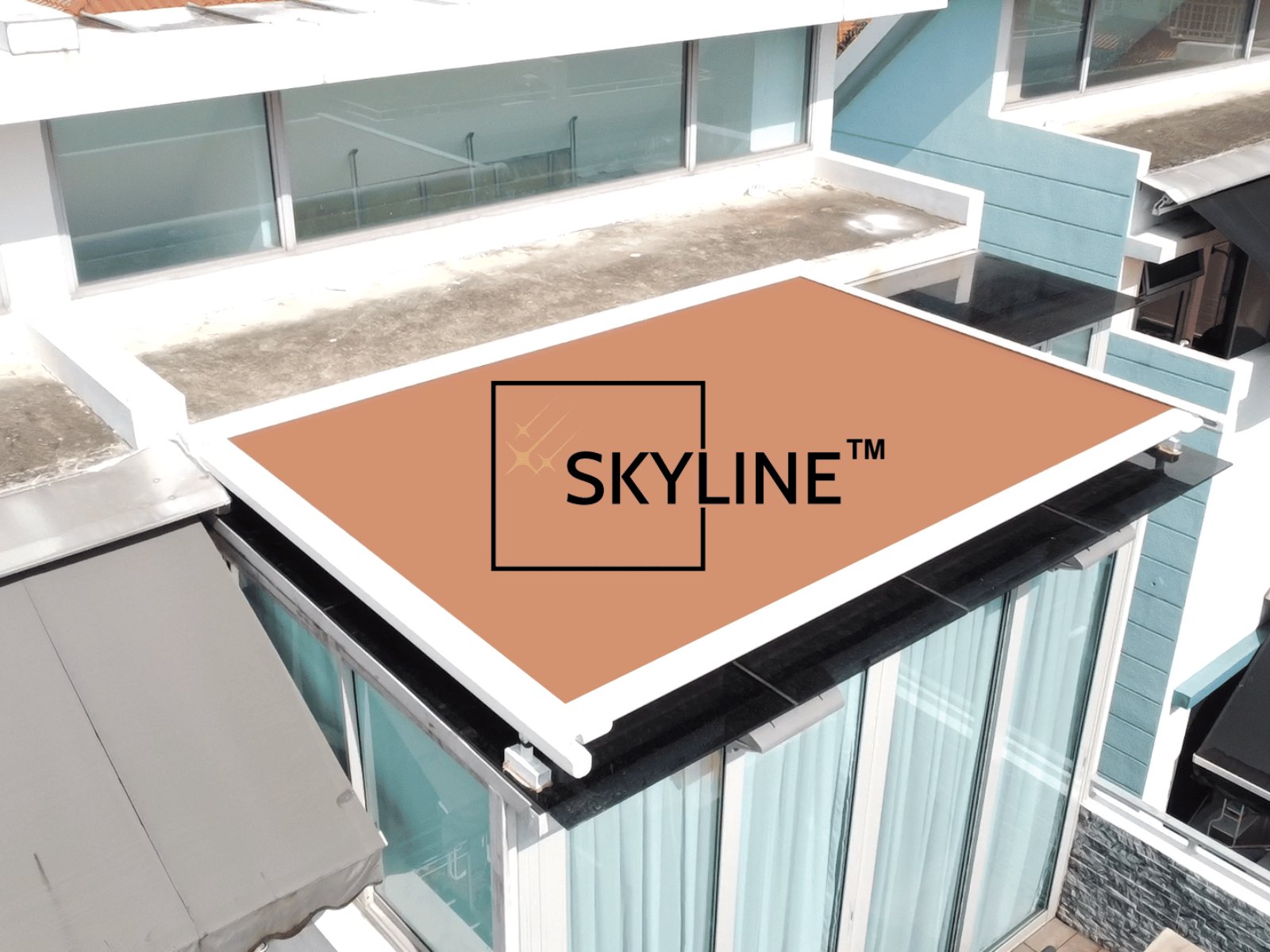
Some homeowners mainly want more daylight; others want to see a large area of sky. Explain that preference before reviewing products. Ask the supplier to demonstrate where the covering gathers and which beams, tracks or other components remain overhead.
The open area may not equal the full outside dimensions of the structure. Request a drawing showing both the overall footprint and the useful opening. If a dining table or seating area should sit beneath open sky, show its position on the same drawing.
Compare movement instead of labels
Rotating louvres and withdrawing a roof covering are different actions. A product category may include several configurations, so ask about the model being quoted. Confirm the normal travel, stop positions and any restrictions on partial opening.
Match the system to the surrounding building
The roof must fit the location in its extended and retracted states. Nearby walls, eaves, windows and services can affect mounting and operating clearance. Show the installer the full area, including anything above the intended roof line.
Review the Skyline retractable roofing range as a starting point for the product discussion. A retractable pergola provides another arrangement to consider where the frame helps define a larger outdoor zone.
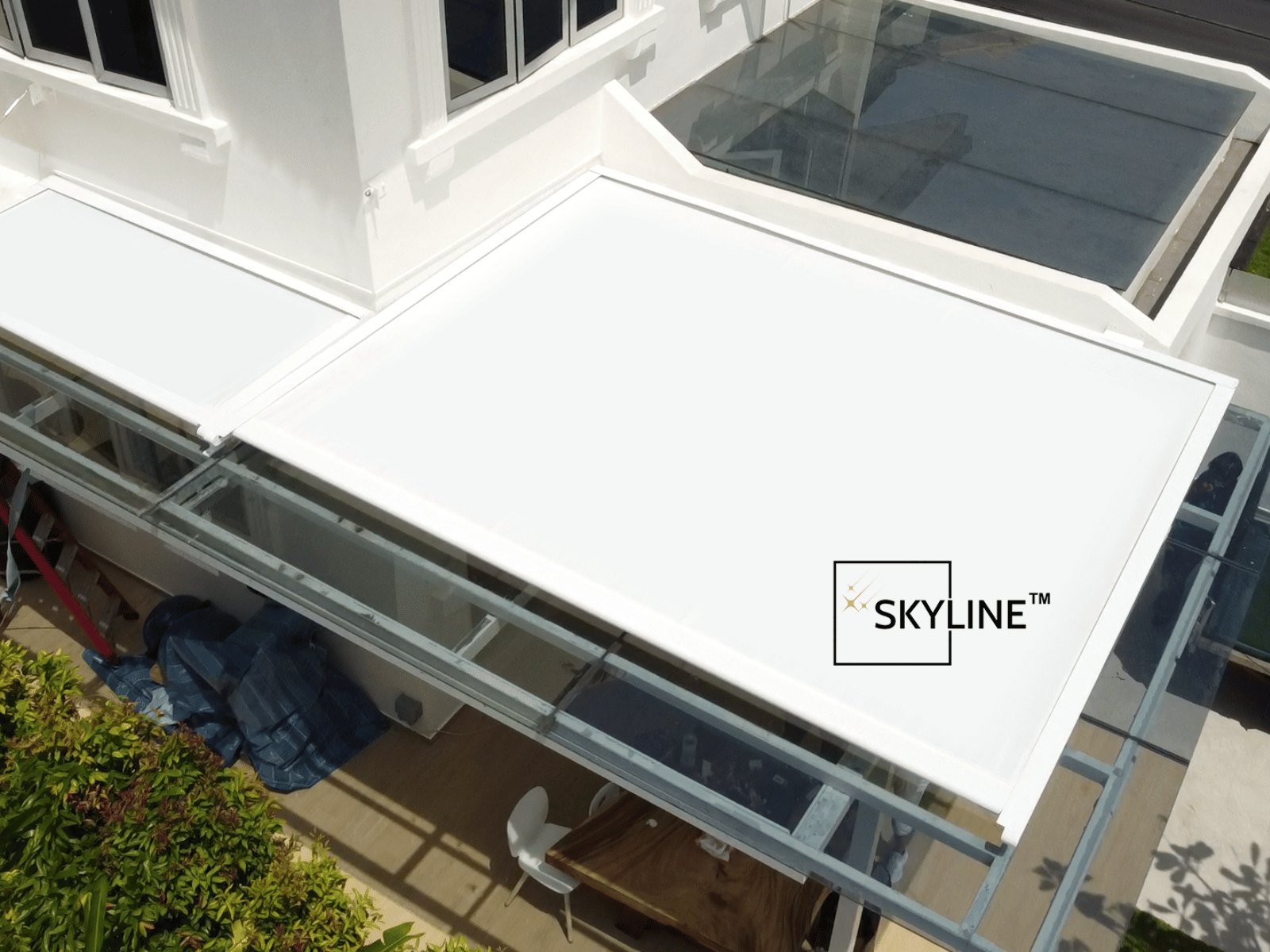
Discuss whether the new roof is independent or interacts with an existing covering. The proposal should explain the interface rather than assuming a system can simply be added below any existing roof or skylight.
Check the covering specification carefully
Ask for the precise fabric or panel specification included in the quotation. Light filtering, opacity, water performance and care instructions are separate questions. A material used for shade should not automatically be treated as a continuous rain barrier.
View samples from below in conditions similar to the site. Consider how the chosen covering changes the light in adjacent rooms. If the space includes dining or reading, assess glare and brightness in relation to those activities.
Discuss rain as a complete system
The roof covering, joints, slope and water collection arrangement work together. Ask how water reaches the outlet and what conditions the system is designed to operate in. The specification of one component does not establish the performance of the entire installation.
Plan controls around the people using them
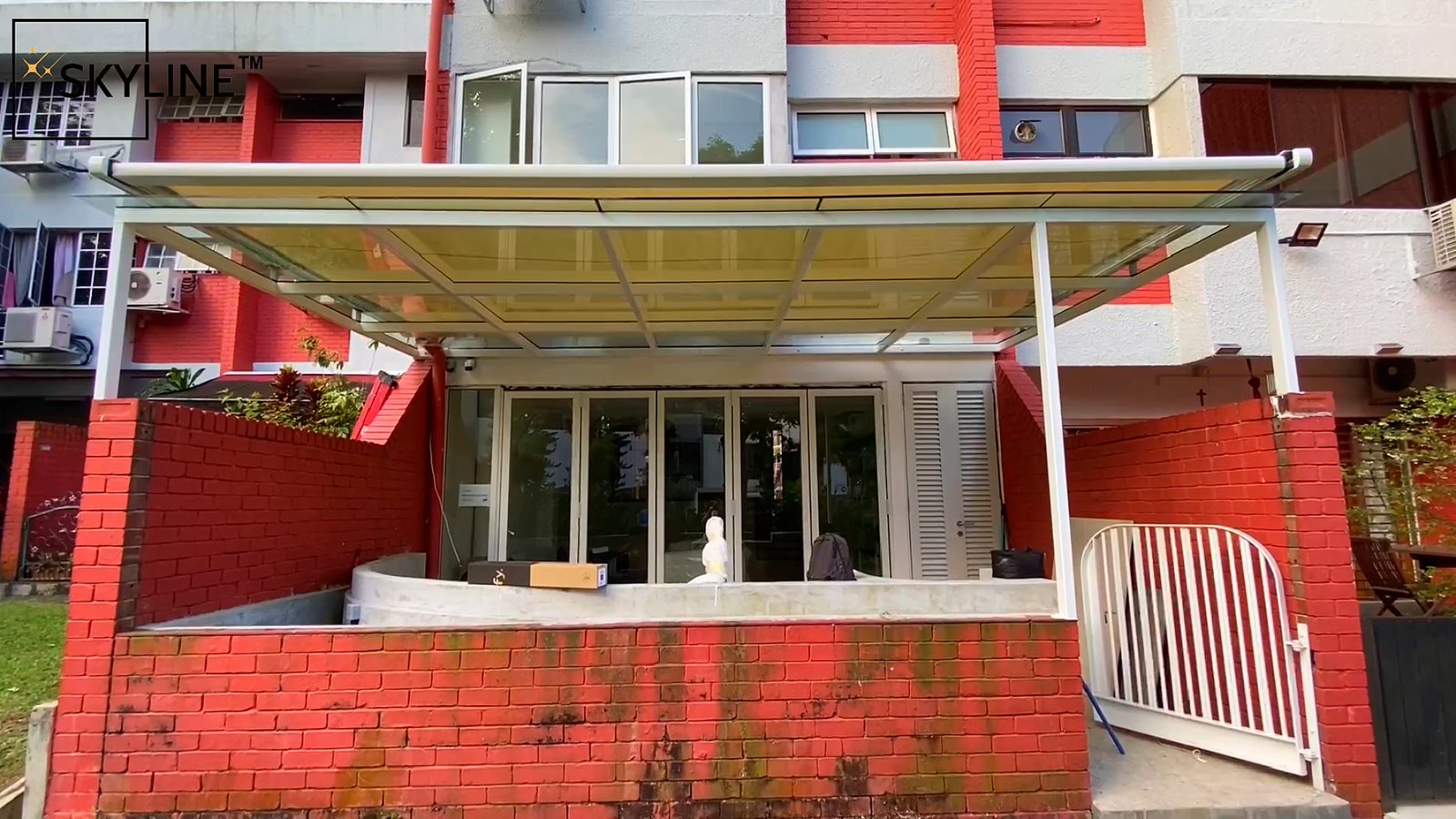
Identify who will operate the roof and from where. A convenient control location should allow normal use without confusion. Ask which remotes, wall controls or connected functions are included, and have optional features priced separately where useful.
Clarify the procedure during power interruptions and changing weather. If sensors are proposed, ask what they detect and how they are maintained. The supplier should explain any response priorities where different controls or sensors can issue commands.
Do not assume automation means the roof can be left in any position without attention. Keep the operating instructions for the actual model and ensure the household understands them before regular use begins.
Preserve access to moving parts and drainage
A retractable roof needs space for both normal movement and servicing. Ask where the motor, tracks, outlets and control components can be accessed. Lighting, planting and decorative additions should not obstruct those locations.
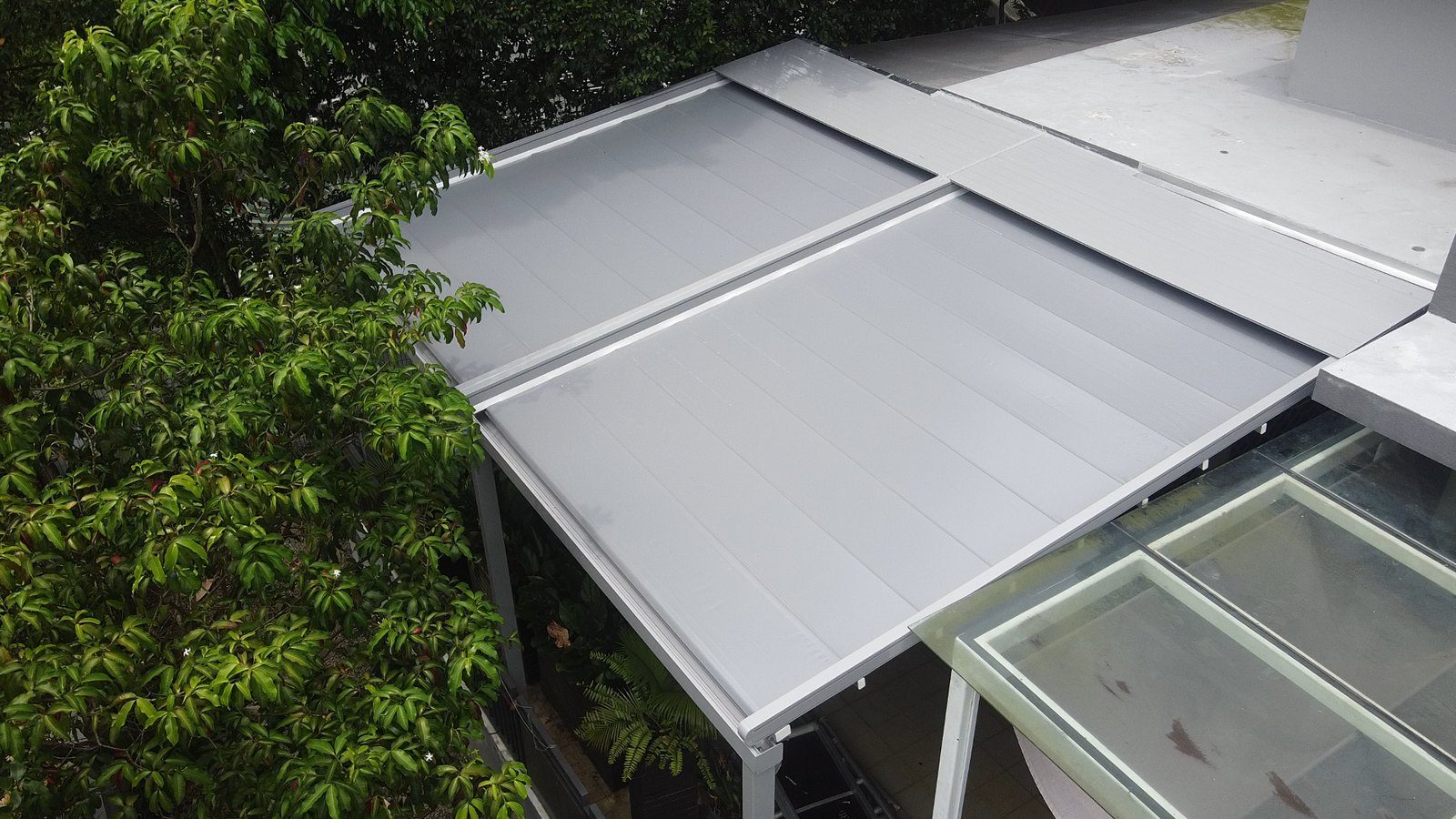
Plan a routine for checking debris from a safe position. Nearby trees can make this especially relevant. Follow the supplied cleaning instructions and arrange service if travel becomes uneven or a new obstruction appears.
Compare a fixed alternative honestly
If you rarely expect to open the roof, a fixed system may deserve consideration. It has a different appearance and ownership routine. Compare trellis roofing using the same footprint, daylight preference and intended activity area.
The decision is about the benefit of movement in your setting. A retractable system can provide useful flexibility, but that flexibility should be something you expect to use, with the appropriate operating and maintenance arrangements.
Agree the details before installation
Think about how often the roof will change position during a normal week. If it is mainly used in the evening, lighting and a convenient control location may matter more than frequent daytime adjustment. If the area is used throughout the day, ask for a demonstration of the transition between positions and discuss how the furniture will remain clear of moving parts.
A clear proposal should show:
- The overall footprint and useful opening.
- The position of the retracted covering.
- The exact roof material and frame finish.
- The drainage route and discharge points.
- The controls, sensors and electrical scope.
- The access and maintenance responsibilities.
Also identify any site-specific documentation or permissions that need to be resolved. Keep the accepted drawing available during installation so changes can be discussed against the same agreed plan.
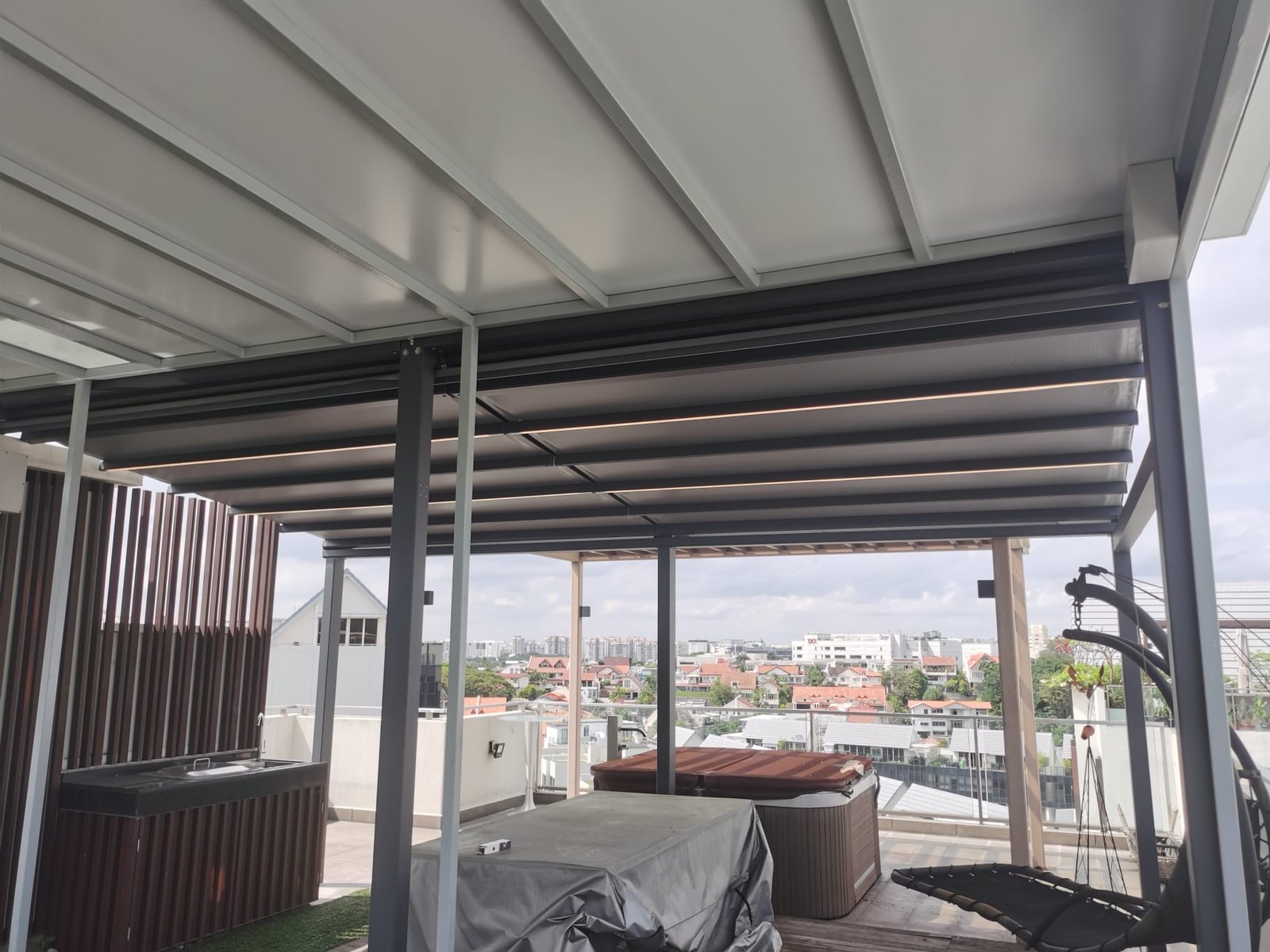
At handover, watch the roof complete its normal movement and try the controls yourself. Collect the operating guidance and service details. Understanding the open position, water route and controls helps make a retractable roof a useful part of everyday outdoor living.